
The Importance of Off-Leash Play for Your Dog's Health and Happiness
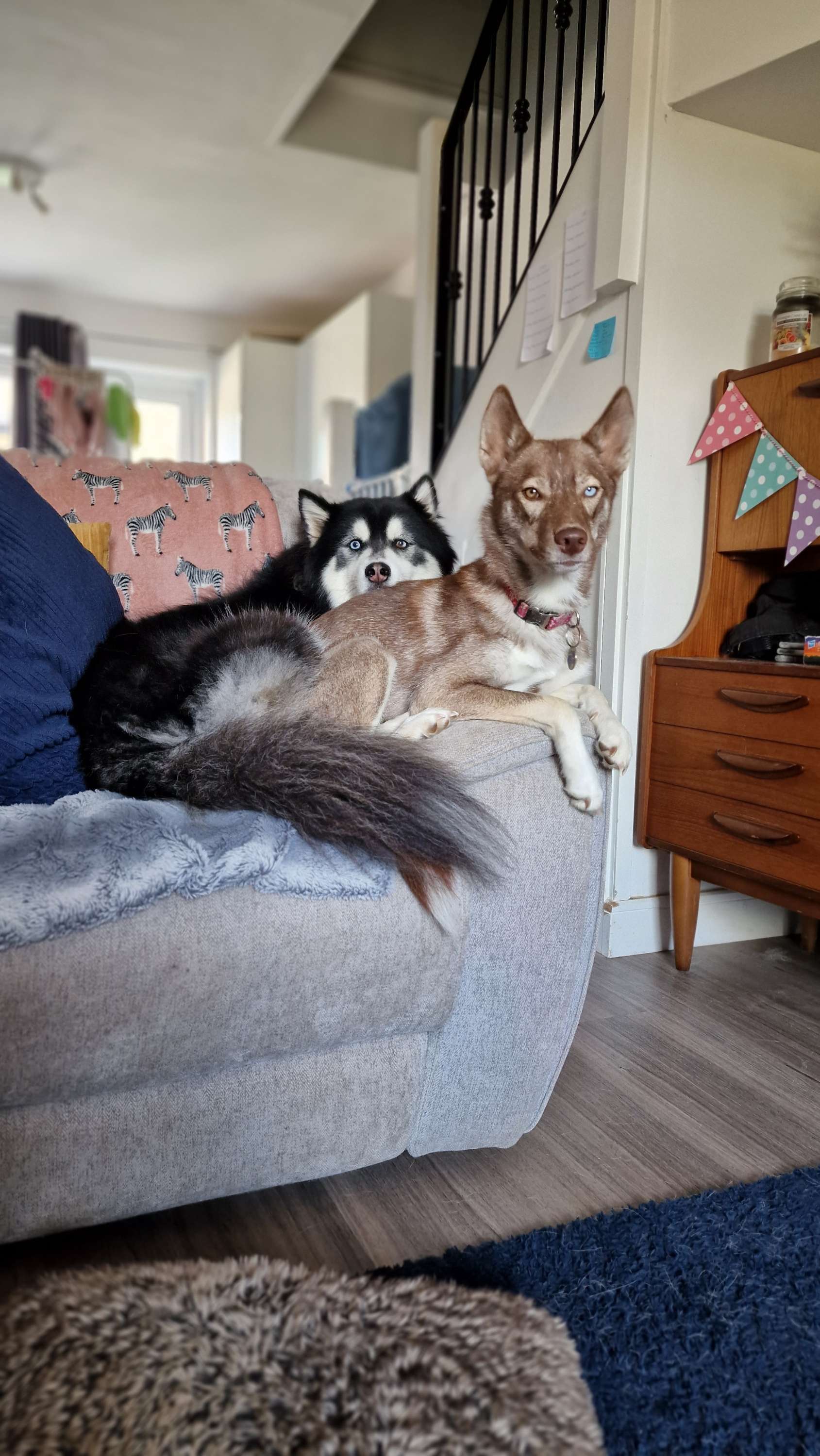
Dogs need more than just food, shelter, and basic care to thrive. One of the most vital activities for their well-being is off-leash play. Letting your dog run freely without a leash offers physical exercise, mental stimulation, and social opportunities that are hard to replicate on a leash. This post explores why off-leash play is essential for your dog’s health and happiness, how it benefits them, and practical tips to ensure safe and enjoyable off-leash experiences.

Physical Benefits of Off-Leash Play
Dogs are naturally active animals that need regular exercise to maintain a healthy weight and strong muscles. Off-leash play allows dogs to move freely, sprint, jump, and explore without the restrictions of a leash. This kind of unrestricted movement helps:
Build cardiovascular health by increasing heart rate and improving circulation.
Strengthen muscles and joints through varied movements like running, twisting, and digging.
Burn off excess energy, reducing the risk of obesity and related health problems.
Improve coordination and agility as dogs navigate different terrains and obstacles.
For example, a dog that spends 30 minutes running off-leash in a safe park can get more intense exercise than an hour-long walk on a leash. This helps maintain their physical fitness and reduces the chance of developing joint issues or muscle stiffness.
Mental Stimulation and Emotional Well-being
Off-leash play is not just about physical activity. It also provides critical mental stimulation. When dogs are free to explore, they engage their senses fully—smelling new scents, hearing unfamiliar sounds, and seeing different sights. This sensory input keeps their brains active and sharp.
Problem-solving skills improve as dogs figure out how to navigate new environments.
Confidence grows when dogs explore safely without constant restraint.
Stress and anxiety decrease because dogs can express natural behaviors like running and playing.
Boredom is reduced, which helps prevent destructive behaviors at home.
For instance, a dog allowed to roam off-leash in a wooded area will encounter a variety of smells and sights that challenge their brain. This kind of enrichment is essential for dogs that spend much of their time indoors or on short walks.
Socialization Opportunities
Off-leash play often happens in dog parks or open spaces where dogs can meet and interact with other dogs. Socialization is a key part of a dog’s development and ongoing happiness.
Dogs learn appropriate play behaviors and social cues.
They develop better communication skills with other dogs.
Positive social interactions can reduce fear and aggression.
Dogs build friendships that contribute to their emotional health.
For example, a shy dog may become more confident after several positive off-leash play sessions with friendly dogs. This social exposure helps them feel more comfortable in different situations.
Safety Considerations for Off-Leash Play
While off-leash play has many benefits, safety must come first. Not all environments are suitable for off-leash activities. Here are some tips to keep your dog safe:
Choose designated off-leash areas such as fenced dog parks or secure open spaces.
Make sure your dog has reliable recall training before letting them off-leash.
Avoid areas with heavy traffic, wildlife, or hazards like sharp objects or toxic plants.
Supervise your dog closely to prevent conflicts or dangerous situations.
Bring water and take breaks to avoid overheating, especially on hot days.
By following these guidelines, you can create a safe and enjoyable off-leash experience for your dog.
How to Introduce Your Dog to Off-Leash Play
If your dog is new to off-leash play, start slowly to build their confidence and skills:
Begin in a secure, enclosed area where your dog can explore without risk.
Practice recall commands frequently to ensure your dog returns when called.
Gradually increase the size of the off-leash area as your dog becomes more reliable.
Observe your dog’s behavior and comfort level, adjusting the experience accordingly.
Reward your dog with treats and praise for good behavior during off-leash time.
This gradual approach helps your dog enjoy off-leash play safely and builds trust between you and your pet.
Signs Your Dog Needs More Off-Leash Play
Some dogs show clear signs that they need more freedom and exercise:
Excessive barking or destructive chewing at home.
Restlessness or pacing.
Difficulty settling down or sleeping.
Weight gain or loss of muscle tone.
Anxiety or signs of depression.
If you notice these behaviors, increasing off-leash playtime could improve your dog’s quality of life significantly.


Comments